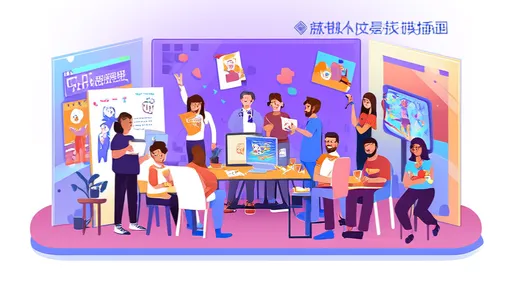
In the ever-evolving landscape of gaming, one phenomenon continues to captivate developers and marketers alike: the rise of organic, player-driven content creation and dissemination. Often referred to as "tap water" communities in Chinese gaming circles—a term denoting spontaneous, genuine fan engagement—this grassroots movement has become the holy grail for sustaining game longevity and cultural relevance. Unlike traditional marketing, which pushes messages outward, cultivating this kind of organic advocacy requires a delicate blend of art and science, where players feel empowered to become storytellers, artists, and evangelists for the worlds they love.
The foundation of fostering such a community lies in creating a game that is not just entertaining, but inherently inspirational. Games that succeed in generating "tap water" engagement often feature rich lore, complex characters, and open-ended mechanics that invite interpretation and creativity. Titles like Genshin Impact or Minecraft exemplify this approach, offering vast, explorable universes where players can imprint their own narratives. When a game provides enough raw material—be it through ambiguous storylines, customizable elements, or emergent gameplay—it gives players the tools to build upon the foundation, transforming them from passive consumers into active co-creators.
Beyond the game itself, the ecosystem surrounding it must be designed to nurture and reward creativity. Official forums, social media channels, and content-sharing platforms become the digital town squares where these communities thrive. Developers can stimulate engagement by highlighting outstanding player creations, featuring fan art in live streams, or even integrating player-designed content into the game itself. This recognition not only validates the efforts of creators but also signals to the broader community that their contributions are valued. When players see that their voices can shape the game’s evolution, their emotional investment deepens, fueling a cycle of creation and sharing.
Another critical element is the cultivation of a shared identity and sense of belonging. "Tap water" communities often coalesce around inside jokes, common goals, or collective experiences unique to the player base. Developers can foster this by organizing in-game events that encourage collaboration or competition, creating moments that become storytelling fodder. For instance, limited-time events that require community-wide effort to unlock rewards can generate shared narratives and memories, which players then celebrate and mythologize through memes, videos, or fan fiction. This shared culture becomes a powerful glue, binding players together and giving them reasons to stay engaged long after the initial thrill of gameplay wears off.
Trust is the invisible currency that underpins all successful organic communities. Players must believe that the developers are listening, that their feedback matters, and that the game is in good hands. Transparency is key here—regular updates, developer diaries, and open communication about both successes and setbacks build credibility. When players trust the stewards of their beloved game, they are more likely to defend it against criticism, advocate for it to friends, and invest their time in creating content that amplifies its appeal. This trust transforms casual players into loyal ambassadors who champion the game out of genuine affection rather than incentivized obligation.
Monetization strategies must also align with the spirit of organic growth. While profitability is essential, overly aggressive or predatory monetization can poison the well of goodwill. Players are more inclined to create and share content for games they perceive as fair and respectful of their time and wallet. Offering cosmetic items that allow for personal expression, or supporting creators through revenue-sharing programs, can turn passion into a sustainable pursuit. When players feel that the financial model supports rather than exploits their engagement, their advocacy becomes more heartfelt and persuasive.
The role of influencers and content creators cannot be overlooked in amplifying "tap water" engagement. These individuals often serve as bridges between the developer and the broader community, translating updates into digestible content, sparking trends, and rallying players around common causes. Collaborating with influencers who genuinely love the game—rather than those merely seeking a paycheck—ensures that their endorsements resonate authentically. Their content, whether it’s a viral TikTok clip, an in-depth YouTube analysis, or a hilarious Twitch stream, can ignite waves of imitation and innovation within the community.
Ultimately, the magic of "tap water" communities lies in their unpredictability and authenticity. They cannot be manufactured overnight or forced into existence through marketing budgets. Instead, they grow from a seed of genuine player passion, carefully tended by developers who understand that their role is not to control the narrative, but to create the conditions under which it can flourish. This requires patience, humility, and a willingness to cede some creative control to the players themselves.
In an age where audiences are increasingly skeptical of traditional advertising, the organic advocacy of "tap water" communities represents a powerful alternative. It is a testament to the idea that the most effective marketing doesn’t feel like marketing at all—it feels like a conversation among friends, a shared adventure, or a collective dream. For developers willing to invest in this deep, symbiotic relationship with their players, the rewards are not just measured in revenue, but in the enduring legacy of a game that lives on in the hearts and minds of its community.
By /Aug 26, 2025

By /Aug 26, 2025
By /Aug 26, 2025

By /Aug 26, 2025
By /Aug 26, 2025
By /Aug 26, 2025
By /Aug 26, 2025
By /Aug 26, 2025
By /Aug 26, 2025
By /Aug 26, 2025
By /Aug 26, 2025
By /Aug 26, 2025
By /Aug 26, 2025
By /Aug 26, 2025
By /Aug 26, 2025

By /Aug 26, 2025
By /Aug 26, 2025
By /Aug 26, 2025
By /Aug 26, 2025
By /Aug 26, 2025
