Nonlinear Narrative Tool: A Branch Plot Editor for Independent Developers

Aug 26, 2025 By

In the ever-evolving landscape of independent game development, storytelling has emerged as a pivotal element that can make or break a project. While AAA studios often rely on linear narratives due to budget constraints and market expectations, indie developers have the creative freedom to explore more experimental structures. Among these, nonlinear storytelling stands out as a particularly compelling approach, allowing for richer player agency and more personalized experiences. However, crafting such narratives has traditionally been a daunting task, requiring intricate planning and complex coding. Enter the branch narrative editor—a specialized tool designed to democratize the creation of branching storylines for developers without extensive programming backgrounds.

The concept of nonlinear narratives is not new; it has roots in interactive fiction and choose-your-own-adventure books. Yet, its integration into video games has often been hampered by technical challenges. Traditional methods involve manually scripting every possible player choice and outcome, leading to exponential complexity. For small teams or solo developers, this can be overwhelming, consuming time that could be better spent on other aspects of development. A branch narrative editor addresses this by providing a visual interface where creators can map out story paths, define decision points, and manage consequences without writing extensive code. This not only streamlines the process but also reduces the likelihood of errors and inconsistencies.

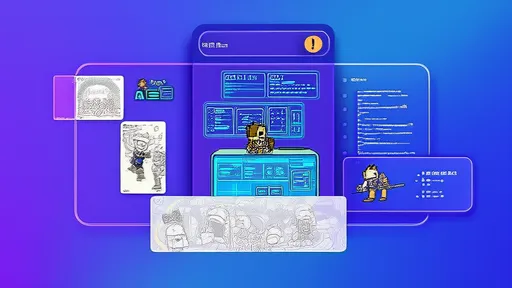
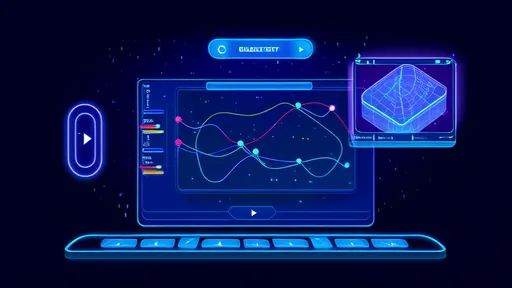
One of the key advantages of using a dedicated branch narrative editor is the ability to visualize the entire story structure. Unlike linear narratives, which follow a straightforward progression, branching stories resemble a tree with multiple limbs, each representing a different player choice. Without a clear overview, it's easy to lose track of how these branches interconnect, potentially creating plot holes or dead ends. Modern editors often feature flowchart-like diagrams that allow developers to drag and drop nodes, connect them with lines, and annotate each segment. This visual representation makes it easier to ensure that all paths are logically consistent and that the narrative remains cohesive regardless of the player's decisions.

Moreover, these tools often come integrated with scripting capabilities that simplify the implementation of conditional events. For instance, a developer might set up a branch where a character's dialogue changes based on whether the player has completed a specific task earlier in the game. Instead of hardcoding these conditions, the editor provides user-friendly options to define variables and triggers. This abstraction layer empowers writers and designers to take ownership of the narrative without constantly relying on programmers. As a result, the development process becomes more collaborative and efficient, fostering a environment where creative ideas can be implemented rapidly.

Another significant benefit is the facilitation of iterative design. Nonlinear narratives are inherently complex, and balancing player freedom with a satisfying story arc requires frequent testing and refinement. Branch narrative editors often include simulation features that allow developers to play through different paths without having to build the entire game. This enables quick identification of issues such as unbalanced choices, underdeveloped branches, or pacing problems. By iterating on the narrative structure early in the development cycle, teams can avoid costly revisions later and ensure a polished final product.

Accessibility is also a crucial factor driving the adoption of these tools. Many indie developers operate with limited resources, and learning to code complex narrative systems can be a significant barrier. Branch narrative editors lower this barrier by offering intuitive interfaces and pre-built templates. Some even support export to popular game engines like Unity or Unreal Engine, seamlessly integrating the narrative design into the broader development pipeline. This democratization means that more diverse voices can enter the indie scene, telling stories that might otherwise remain untold due to technical constraints.

The impact of these tools extends beyond efficiency and accessibility; they also encourage innovation in storytelling itself. When developers are not bogged down by technical hurdles, they can focus on experimenting with narrative forms. For example, some games use branching paths to explore themes of morality, where player choices have far-reaching consequences that reflect real-world ethical dilemmas. Others might employ non-chronological storytelling, revealing plot points out of order to create suspense or deepen character development. The flexibility of branch narrative editors supports these creative ambitions, enabling developers to push the boundaries of what interactive stories can achieve.

However, it's important to acknowledge that these tools are not a silver bullet. Crafting a compelling nonlinear narrative still requires strong writing and a deep understanding of pacing and structure. The editor can manage the complexity, but it cannot replace the creative vision of the developer. Additionally, overly complex branching can lead to "narrative sprawl," where the story becomes too fragmented to maintain emotional impact. Successful use of these tools involves striking a balance between player agency and narrative coherence, ensuring that choices feel meaningful without diluting the core experience.

Looking ahead, the future of branch narrative editors seems promising. As machine learning and AI technologies advance, we might see tools that can suggest narrative branches based on genre conventions or player behavior patterns. There is also potential for greater integration with other aspects of game development, such as character AI or environmental storytelling. For now, though, the existing tools already represent a significant leap forward for indie developers, empowering them to create rich, engaging stories that resonate with players on a deeper level.

In conclusion, branch narrative editors are revolutionizing the way independent developers approach storytelling in games. By simplifying the technical challenges of nonlinear narratives, these tools unlock new creative possibilities and make game development more accessible. While they require thoughtful application to avoid common pitfalls, their benefits in visualization, iteration, and collaboration are undeniable. As the indie scene continues to grow and diversify, tools like these will play a crucial role in shaping the future of interactive storytelling, allowing more developers to share their unique visions with the world.
Recommend Posts
Game

Cross-Engine Asset Reusability Standard: Breaking Down the Barriers Between Unity and Unreal Engine

By /Aug 26, 2025

The gaming industry stands at the precipice of a transformative shift as developers and studios grapple with the long-standing divide between two of its most powerful engines: Unity and Unreal Engine. For years, these platforms have operated as isolated ecosystems, each with devoted followings and specialized asset pipelines. But a new standard is emerging—one that promises to dismantle these barriers and redefine cross-platform development.
Game

Stress Test Simulation: Forecasting Server Load Capacity on the First Day of Game Launch

By /Aug 26, 2025

As the gaming industry braces for another major title launch, developers are turning to advanced pressure testing simulations to predict server capacity on day one. The stakes have never been higher, with multi-million dollar marketing campaigns and player expectations riding on seamless gameplay experiences from the very first minute.
Game

Reviving Offline Events: A Guide to Organizing Gaming Exhibitions and Player Meetups

By /Aug 26, 2025

The resurgence of in-person gaming events marks a pivotal moment for the industry, signaling a collective readiness to reconnect beyond digital interfaces. After years of virtual panels and online showcases, the palpable energy of crowded convention halls and the immediate feedback of live audiences are being eagerly reclaimed by developers and players alike. This revival isn't merely a return to old habits; it's an evolution, blending lessons from the digital era with the irreplaceable magic of physical presence.
Game

Tactile Feedback Encoding: Transforming Real-Time Game Audio into Vibration Signals

By /Aug 26, 2025

In an industry constantly pushing the boundaries of immersion, a quiet revolution is taking place that might just change how we experience digital worlds forever. While high-resolution graphics and surround sound have long been the staples of gaming immersion, developers are now turning to an often overlooked human sense: touch. The emerging field of haptic feedback coding represents one of the most exciting frontiers in gaming technology, promising to translate the rich auditory landscapes of games into tangible, physical sensations that players can feel through their controllers, suits, and even furniture.
Game

Social Observation in Gaming: Constructing Virtual Relationships from Fixed Playmates" to "Couples"

By /Aug 26, 2025

In the sprawling digital landscapes of modern multiplayer games, a fascinating evolution of social dynamics is unfolding. What began as simple matchmaking and casual team-ups has matured into complex, nuanced relationships that blur the lines between virtual interaction and genuine emotional connection. Players are no longer just random allies sharing a common objective for a single session; they are building meaningful bonds that often extend beyond the game itself, creating a rich tapestry of digital socialization that challenges traditional notions of friendship and relationship building.
Game

The Art of Tuning: Balancing Game Data Through Iterative Processes

By /Aug 26, 2025

In the intricate world of game development, the art of tuning stands as one of the most nuanced and critical processes. It is a discipline that blends hard data with creative intuition, a continuous dance between numbers and player experience. Unlike the initial phases of design that focus on broad mechanics and features, tuning is the meticulous refinement of those elements. It’s where a game transforms from a functional prototype into a polished, engaging experience. This iterative process is not merely about adjusting values in a spreadsheet; it is about understanding the soul of the game and ensuring every tweak serves the ultimate goal: fun.
Game

Agile Development Variants in Game Projects: Adapting Processes for Creative Iteration

By /Aug 26, 2025

The landscape of game development has undergone a profound transformation over the past decade, driven by the industry's relentless pursuit of innovation and efficiency. Traditional, rigid development methodologies, often characterized by lengthy production cycles and a waterfall-like sequence of stages, have increasingly proven inadequate for the dynamic and highly creative demands of modern game creation. In their place, a more fluid and responsive approach has taken root, one that draws significant inspiration from the principles of Agile software development but has been meticulously adapted and evolved to meet the unique challenges of game production. This is not merely Agile adopted; it is Agile transformed, a bespoke framework for nurturing creativity through iterative cycles.
Game

Harbor Access" Navigation: Policy Interpretation for Emerging Markets (India, Brazil)

By /Aug 26, 2025

Navigating the policy landscapes of emerging markets like India and Brazil requires a nuanced understanding of their unique economic trajectories and regulatory frameworks. As global economic powerhouses, both nations present immense opportunities for international investors and businesses, yet their policy environments are characterized by complexity, rapid evolution, and distinct national priorities. This analysis delves into the critical aspects of their policies, offering insights into the currents shaping their markets.
Game

From Concept to Launch: A Comprehensive Development Cycle Record of a Casual Game

By /Aug 26, 2025

In the vibrant world of mobile gaming, the journey from a fleeting idea to a fully realized product is both an art and a science. For a recent casual game project, the development cycle offered a fascinating glimpse into the meticulous process that transforms a simple concept into an engaging digital experience enjoyed by millions. This is a chronicle of that journey, a testament to the collaboration, creativity, and technical precision required to bring a game to life.
Game

AI Level Designer: Leveraging Machine Learning to Create Immersive Gaming Environments

By /Aug 26, 2025

The gaming industry stands at the precipice of a new era, one where artificial intelligence is no longer just a buzzword but an integral collaborator in the creative process. At the heart of this transformation is the emerging role of the AI Level Designer, a hybrid professional who wields machine learning algorithms to craft deeply immersive and dynamically responsive game environments. This isn't about replacing human creativity; it's about augmenting it with a powerful new set of tools that can generate complexity and nuance at a scale previously unimaginable.
Game

Seamless Bug Fixing: The Technical Implementation of 'Sensationless' Hotfixes While Players Are Online"

By /Aug 26, 2025

In the ever-evolving landscape of game development, maintaining a seamless player experience is paramount. One of the most significant technical challenges faced by studios today is deploying critical bug fixes and updates without interrupting the live gameplay of their user base. Traditional patching methods often require scheduled downtime, client restarts, or disconnections, which can disrupt immersion, frustrate players, and even impact a game's retention metrics. To combat this, a sophisticated technique known as "hot updating" or "live updating" has been developed and refined, allowing developers to repair flaws and push new code while players remain actively engaged in the game world. This technology represents a quiet revolution in live service management, moving updates from a disruptive event to an invisible, background process.
Game

Optimizing Search Engine Results (SEO): Attracting Organic Traffic to Gaming Official Websites and News

By /Aug 26, 2025

In the ever-evolving digital landscape, the gaming industry stands as a titan of entertainment, yet even giants must master the art of visibility. For game developers and publishers, a stunning website and compelling news articles are only as powerful as their discoverability. This is where the strategic implementation of Search Engine Optimization, or SEO, transforms from a technical afterthought into a core component of a successful digital presence. It’s the engine that drives organic traffic, the silent ambassador that introduces your game to millions of potential players who are actively searching for their next adventure.
Game

Cloud Player" Community Engagement Study: The Phenomenon of Non-Gamers Participating in Online Discussions

By /Aug 26, 2025

In the sprawling digital ecosystems of modern gaming, a curious demographic has quietly emerged from the peripheries to become a notable force in online communities. They are known, colloquially and sometimes contentiously, as "cloud gamers"—individuals who do not play the games themselves but actively consume and participate in the culture surrounding them. This phenomenon, born from the accessibility of streaming platforms and the social nature of internet forums, represents a significant shift in how media is consumed and communities are formed in the 21st century.
Game

Constructing Player Profiles: Outlining Core User Characteristics with Data Tools

By /Aug 26, 2025

In the ever-evolving landscape of digital entertainment, understanding the player has become as crucial as developing the game itself. The concept of player profiling has shifted from speculative marketing to a data-driven science, fundamentally altering how studios engage with their audiences. By leveraging sophisticated data analytics tools, developers can now move beyond superficial demographics to construct rich, multidimensional portraits of their core users. This isn't about reducing players to mere data points but about comprehending the human experiences, motivations, and behaviors that drive engagement and loyalty.
Game

Community Tap Water" Cultivation: Strategies to Stimulate Players' Spontaneous Creation and Dissemination

By /Aug 26, 2025

In the ever-evolving landscape of gaming, one phenomenon continues to captivate developers and marketers alike: the rise of organic, player-driven content creation and dissemination. Often referred to as "tap water" communities in Chinese gaming circles—a term denoting spontaneous, genuine fan engagement—this grassroots movement has become the holy grail for sustaining game longevity and cultural relevance. Unlike traditional marketing, which pushes messages outward, cultivating this kind of organic advocacy requires a delicate blend of art and science, where players feel empowered to become storytellers, artists, and evangelists for the worlds they love.
Game

Adaptive Resolution Technology: Dynamically Adjusting Image Quality Based on Player Attention

By /Aug 26, 2025

In the ever-evolving landscape of gaming technology, a groundbreaking innovation is quietly reshaping how players experience virtual worlds. Adaptive resolution technology, once a niche concept, has matured into a sophisticated system that dynamically adjusts visual fidelity based on player attention. This isn't merely another graphical enhancement—it's a fundamental rethinking of how rendering resources should be allocated throughout the gaming experience.
Game

Challenges of Deploying Edge Computing Nodes for Cloud Gaming in Second and Third Tier Cities

By /Aug 26, 2025

The global cloud gaming landscape is undergoing a significant infrastructural shift, moving beyond the initial hype to confront the practical realities of latency and accessibility. A central tenet of this evolution is the strategic push of computational resources closer to the end-user through edge computing. While major metropolitan hubs were the logical starting point, the industry's next frontier involves the complex task of deploying these edge nodes into second and third-tier cities. This migration, essential for capturing a broader audience, is fraught with a unique set of logistical, economic, and technical challenges that will define the next chapter of cloud gaming's expansion.
Game

Localization Pitfalls: Case Studies of Text and Visual Design Missteps Due to Cultural Differences

By /Aug 26, 2025

In the intricate dance of global business expansion, the allure of new markets often overshadows the nuanced perils that lie in wait. Companies, armed with successful domestic campaigns and products, frequently march into foreign territories only to find that what worked at home falls painfully flat abroad. This phenomenon, a classic stumble into the localisation trap, is not merely about inaccurate translation but a fundamental misreading of cultural codes, symbols, and consumer psychology. The consequences range from mild embarrassment and campaign failure to severe brand damage and financial loss, serving as a stark reminder that the world is not a monolith.
Game

In-Depth Analysis of the Consumer Psychology Path from First Charge" to "Big Spender"

By /Aug 26, 2025

In the intricate ecosystem of mobile gaming and digital platforms, the journey from a user's first purchase to becoming a high-value "whale" is both an art and a science. This progression isn't merely about pushing more transactions; it's a carefully crafted pathway that taps into deep-seated psychological triggers, evolving motivations, and the gradual normalization of spending. Understanding this path—from the initial "first purchase" to the loyal "big spender" or "whale"—reveals how businesses cultivate long-term value while players navigate their own complex relationship with investment and reward.
Game

Nonlinear Narrative Tool: A Branch Plot Editor for Independent Developers

By /Aug 26, 2025

In the ever-evolving landscape of independent game development, storytelling has emerged as a pivotal element that can make or break a project. While AAA studios often rely on linear narratives due to budget constraints and market expectations, indie developers have the creative freedom to explore more experimental structures. Among these, nonlinear storytelling stands out as a particularly compelling approach, allowing for richer player agency and more personalized experiences. However, crafting such narratives has traditionally been a daunting task, requiring intricate planning and complex coding. Enter the branch narrative editor—a specialized tool designed to democratize the creation of branching storylines for developers without extensive programming backgrounds.