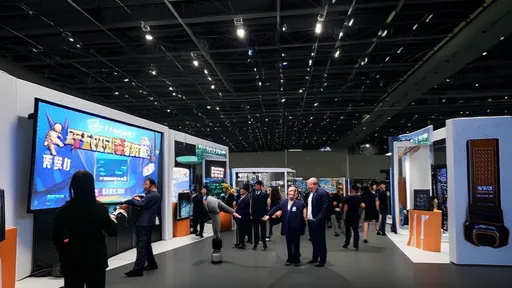
The resurgence of in-person gaming events marks a pivotal moment for the industry, signaling a collective readiness to reconnect beyond digital interfaces. After years of virtual panels and online showcases, the palpable energy of crowded convention halls and the immediate feedback of live audiences are being eagerly reclaimed by developers and players alike. This revival isn't merely a return to old habits; it's an evolution, blending lessons from the digital era with the irreplaceable magic of physical presence.
Organizing a successful gaming expo or fan meet-up now requires a refined approach, one that prioritizes safety without sacrificing excitement. Event planners are adopting hybrid models, offering live streams for remote attendees while creating exclusive, immersive experiences for those on-site. The goal is clear: to foster community while accommodating diverse comfort levels, ensuring that every participant, whether in the front row or watching from home, feels integral to the event.
Venue selection has taken on new dimensions post-pandemic. Spaces are now evaluated not just for capacity and location, but for ventilation, layout flexibility, and health protocol infrastructure. Organizers are opting for larger halls to facilitate social distancing without compromising on atmosphere, and many are incorporating outdoor areas for networking and demos. The emphasis is on creating environments that feel both safe and spectacular, where fans can engage with their favorite titles without apprehension.
Content curation for these events has become more strategic than ever. With developers sitting on years of unreleased material and pent-up creative ideas, expos are transforming into epicenters of major announcements and hands-on previews. The key is balancing headline-grabbing AAA reveals with indie showcases, ensuring a diverse lineup that caters to all segments of the gaming community. Live gameplay sessions, developer Q&As, and competitive tournaments are being designed to maximize audience interaction, turning passive viewers into active participants.
Marketing these events demands a multi-channel approach that leverages both traditional and digital platforms. Early bird tickets, limited edition merchandise, and influencer collaborations create buzz, while robust social media campaigns keep momentum building right up to opening day. Organizers are also utilizing data analytics from previous virtual events to target potential attendees more effectively, personalizing outreach based on game preferences and past engagement.
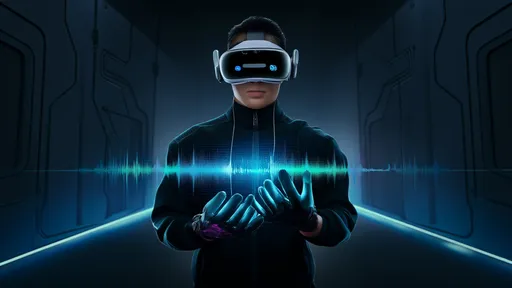
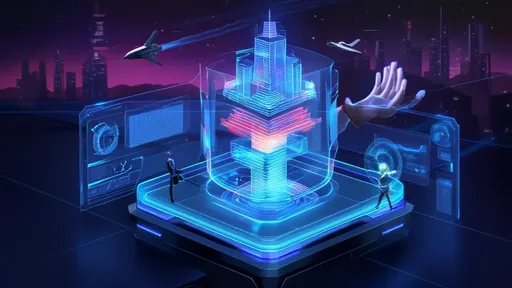
On-site technology integration has become a cornerstone of the modern gaming event. From RFID-enabled badges that streamline entry and purchases to augmented reality features that enhance booth experiences, tech is being used to reduce friction and increase immersion. High-speed internet infrastructure is non-negotiable, supporting not just live streams but also cloud gaming demos and real-time social media interaction from the show floor.
Community management extends far beyond the event itself. Successful organizers are building year-round engagement through Discord servers, exclusive online content, and virtual meet-ups that keep the conversation going between physical gatherings. This continuous connection turns one-time attendees into loyal community members, ensuring strong turnout for future events and creating a self-sustaining ecosystem of enthusiasm and feedback.
Health and safety measures, while less restrictive than during pandemic peaks, remain thoughtfully implemented. Clear communication of protocols, readily available sanitation stations, and medical support staff are now standard expectations. Many events offer flexible ticket policies that allow last-minute cancellations or transfers, reducing pressure on attendees who might feel unwell and fostering an environment of mutual care and respect.
The financial model for gaming events has evolved significantly. While ticket sales remain important, diversified revenue streams through sponsorships, streaming rights, and post-event content monetization are creating more sustainable operations. Organizers are also exploring tiered ticket options, from basic access to premium experiences that include early entry, meet-and-greets, or exclusive merchandise, allowing fans to choose their level of involvement and investment.
Measuring success post-event goes beyond attendance numbers and social media mentions. Organizers are conducting detailed attendee surveys, tracking booth engagement metrics, and analyzing content consumption patterns across platforms. This data not only demonstrates ROI to sponsors but provides invaluable insights for improving future events, creating a feedback loop that continuously elevates the experience for all involved.
As the gaming industry continues to grow and diversify, in-person events remain crucial touchpoints for community building, innovation showcase, and industry networking. The most successful gatherings will be those that balance scale with intimacy, spectacle with substance, and tradition with innovation—creating spaces where the magic of gaming can be celebrated together, in real life.

By /Aug 26, 2025

By /Aug 26, 2025
By /Aug 26, 2025
By /Aug 26, 2025

By /Aug 26, 2025

By /Aug 26, 2025

By /Aug 26, 2025

By /Aug 26, 2025
By /Aug 26, 2025
By /Aug 26, 2025

By /Aug 26, 2025

By /Aug 26, 2025

By /Aug 26, 2025
By /Aug 26, 2025

By /Aug 26, 2025
By /Aug 26, 2025

By /Aug 26, 2025
By /Aug 26, 2025

By /Aug 26, 2025

By /Aug 26, 2025
