In the sprawling digital landscapes of modern multiplayer games, a fascinating evolution of social dynamics is unfolding. What began as simple matchmaking and casual team-ups has matured into complex, nuanced relationships that blur the lines between virtual interaction and genuine emotional connection. Players are no longer just random allies sharing a common objective for a single session; they are building meaningful bonds that often extend beyond the game itself, creating a rich tapestry of digital socialization that challenges traditional notions of friendship and relationship building.
The concept of the fixed play partner, represents the foundational layer of these virtual relationships. These are players who consistently choose to game together, developing tacit understanding through countless hours of shared gameplay. They learn each other's strategies, compensate for one another's weaknesses, and develop an unspoken language of cooperation. This relationship is built primarily on reliability and skill compatibility – you know your fixed play partner will show up for the raid, remember your play style, and have your back when things get tough. It's a partnership forged in the digital fires of challenging gameplay, where trust is earned through demonstrated competence and consistency rather than emotional intimacy.
As these fixed partnerships deepen, something interesting begins to occur. The conversations that start with game strategy gradually expand to include personal anecdotes, daily frustrations, and life updates. The shared experiences of glorious victories and frustrating defeats create a bonding effect similar to colleagues who become friends through workplace challenges. This transition often happens organically – a discussion about weapon loadouts might evolve into talking about school stress, a bad day at work, or relationship problems. The game becomes merely the context rather than the content of the relationship, serving as the digital "third place" where these connections flourish.
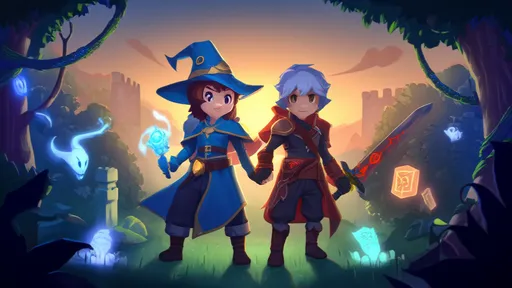
The emergence of the CP (Couple Partnership) phenomenon represents perhaps the most significant evolution in virtual relationship building. While the term originally referenced gaming partnerships where players pretended to be couples for in-game benefits or roleplaying purposes, it has evolved into something much more complex. Modern CP relationships often involve genuine emotional attachment that may or may not translate into romantic interest. These partnerships are characterized by exclusive gaming partnership, emotional support, and frequently, digital affection expressed through in-game actions and external messaging platforms.
What makes the CP dynamic particularly interesting is how it mirrors real-world relationship building while operating within game mechanics. Partners might coordinate matching character outfits, use special couple-only emotes or items, and prioritize each other over other friends in group activities. They develop rituals – always logging in together, doing daily quests as a pair, or maintaining streaks of consecutive days played together. These behaviors create a sense of digital togetherness that can feel remarkably real to participants, even when they're separated by thousands of miles and have never met in person.
The psychology behind this progression from fixed play partner to CP reveals much about human social needs in the digital age. Games provide a structured social context that reduces the anxiety often associated with forming new relationships. The shared activity gives people something to focus on besides the awkwardness of initial social interaction. Common goals create natural bonding opportunities, and the time spent together builds familiarity naturally. For many, especially those who struggle with social anxiety or have limited opportunities for in-person socialization, these game-facilitated relationships become significant emotional anchors.
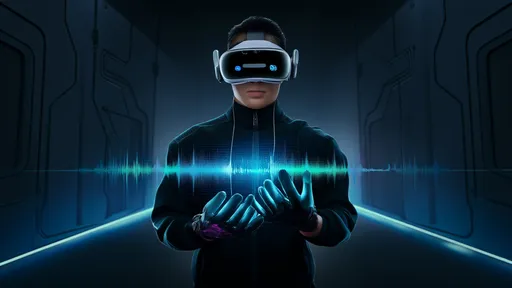
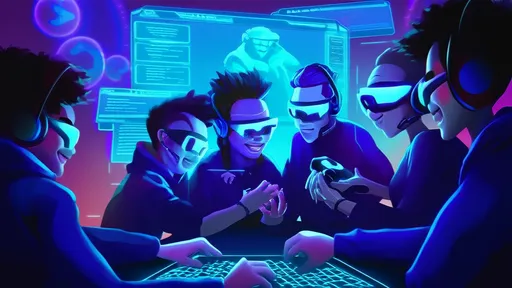
Technology has accelerated and deepened these virtual connections dramatically. Voice chat eliminates the barrier of typing during intense gameplay, allowing for more natural conversation and emotional expression. The addition of video streaming capabilities enables players to share not just their gameplay but their reactions and environments. Messaging apps and social media create continuous connection outside game sessions, turning what might have been occasional gaming partnerships into constant presences in each other's lives. These technological bridges transform limited in-game interactions into comprehensive digital relationships.
Yet these virtual relationships exist in a complex space between genuine connection and performative interaction. The line between authentic emotional bonding and roleplay can become blurred, sometimes leading to confusion or hurt feelings. Some players maintain clear boundaries, treating their CP as an advanced form of gaming friendship with understood limitations. Others find themselves developing real romantic feelings that may or may not be reciprocated. The ambiguity of these relationships – are we friends, something more, or just playing roles? – creates both their unique appeal and their potential emotional complications.
The cultural aspect of these relationships cannot be overlooked, particularly in how different gaming communities approach virtual bonding. While the terms fixed play partner and CP originated in Chinese gaming culture, similar dynamics exist globally under different names and cultural contexts. However, the explicit naming and cultural acceptance of these relationship types in Eastern gaming communities has created more developed social norms and expectations around them. Western gaming communities often have similar relationships but with less formalized understanding of what they mean and what behaviors they entail.
As games continue to evolve as social platforms, we're seeing developers consciously design features that facilitate these relationship dynamics. Games now include systems that track play history with specific partners, offer rewards for consistent play with the same person, and provide special emotes or items that signify close relationships. Some games have even implemented formal "partner" or "best friend" systems that mechanically acknowledge these social bonds. This design intentionality reflects how important these virtual relationships have become to the modern gaming experience.
For all their virtual nature, these relationships often have real-world impacts. Players report that their gaming partnerships provide genuine emotional support during difficult times. The consistency of having someone who expects you to log in, who notices if you're absent, and who checks on you if you seem down creates a sense of being cared for that transcends the digital medium. Many fixed play partner and CP relationships evolve into real-life friendships, with players eventually meeting in person or maintaining close contact outside games for years. In some cases, these digital relationships even evolve into romantic partnerships and marriages.
However, it's important to acknowledge the potential challenges and downsides of these intense virtual relationships. The same factors that make game-facilitated bonding easier – the anonymity, the physical distance, the ability to curate one's presentation – can also lead to deception or idealization. Players can become overly dependent on these digital connections at the expense of in-person relationships. And when these relationships end, whether through drifting apart or dramatic breakups, the emotional impact can be surprisingly significant, compounded by the loss of both a relationship and a gaming partner.
Looking forward, the evolution from fixed play partner to CP represents just one aspect of how digital spaces are transforming human connection. As virtual and augmented reality technologies mature, these relationships will likely become even more immersive and emotionally resonant. The boundaries between digital and physical relationships will continue to blur, challenging us to develop new social frameworks and ethical understandings of what constitutes meaningful human connection. What's clear is that these virtual relationships are not lesser than their physical counterparts – they're simply different, with their own unique characteristics, challenges, and value.
The journey from fixed play partners to couple partnerships in gaming communities reflects a broader human story about our need to connect, belong, and form meaningful bonds with others. In a world where digital interaction is increasingly central to our social lives, games have become unexpected but powerful facilitators of genuine human connection. They provide structured environments where people can overcome social barriers, find others with shared interests, and build relationships that enrich their lives both online and off. As gaming continues to grow as a social platform, these virtual relationships will undoubtedly continue to evolve in fascinating and unpredictable ways.

By /Aug 26, 2025

By /Aug 26, 2025

By /Aug 26, 2025
By /Aug 26, 2025
By /Aug 26, 2025

By /Aug 26, 2025

By /Aug 26, 2025

By /Aug 26, 2025
By /Aug 26, 2025
By /Aug 26, 2025

By /Aug 26, 2025
By /Aug 26, 2025
By /Aug 26, 2025

By /Aug 26, 2025

By /Aug 26, 2025
By /Aug 26, 2025

By /Aug 26, 2025

By /Aug 26, 2025

By /Aug 26, 2025
By /Aug 26, 2025
